

 Cart is empty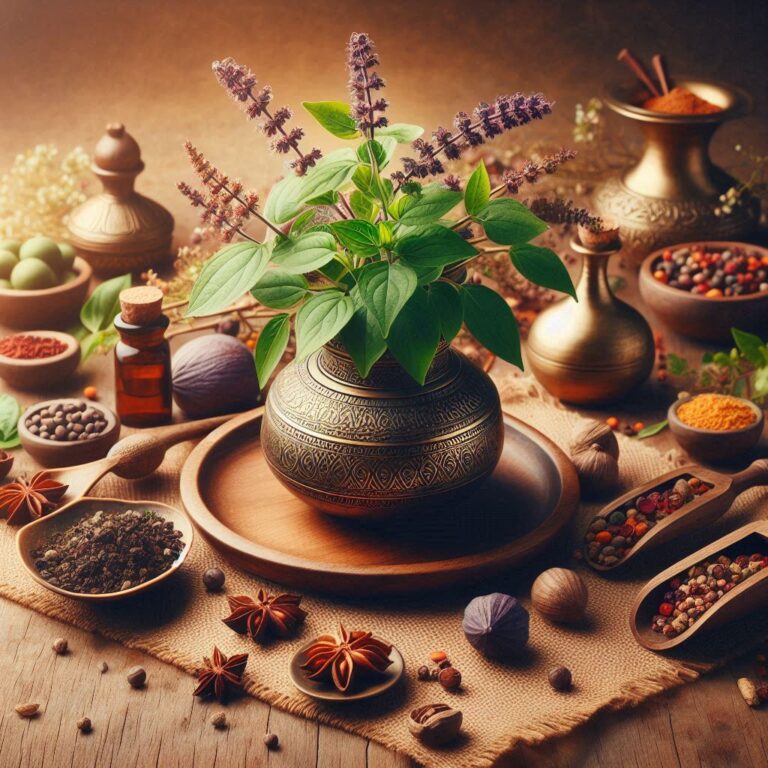

Please accept lots of wishes on the special occasion of Tulasi Vivah from Ayurbreeze Botanicals!!!
In the kaleidoscope of Indian festivals, Tulasi Vivah holds a unique and revered place. This ceremonial marriage of the holy basil plant, Tulasi (also known as Tulsi), to Lord Vishnu or Krishna, marks the beginning of the wedding season in Hindu culture. Celebrated on the Ekadashi of the Hindu month of Kartik (usually in October or November), Tulasi Vivah symbolizes the divine union of nature and spirituality, offering devotees a chance to express their reverence towards both.
Cultural Significance
1. Divine Union: The marriage represents the sacred connection between the earthly plant and the divine spirit. Tulasi is believed to be an incarnation of Goddess Lakshmi, consort of Vishnu. This union is seen as an auspicious time to commence human weddings.
2. Symbol of Devotion: Participating in Tulasi Vivah is considered highly meritorious. It is believed to bless the household with prosperity, happiness, and health.
3. Rituals and Traditions: The ceremony involves elaborate rituals akin to a traditional Hindu wedding, including the setting up of a mandap (wedding canopy), singing of hymns, and performing aarti (ceremonial worship with fire).
Tulasi in Medicine
Tulasi, or holy basil, is not just a spiritual symbol but also a cornerstone of Ayurvedic medicine. Here are some of the remarkable uses of Tulasi in traditional and modern medicine:
1. Immunity Booster: Tulasi leaves are known for their potent immunomodulatory properties. They help enhance the body’s ability to fight infections.
2. Adaptogen: This plant is an excellent adaptogen, meaning it helps the body adapt to stress and restore balance. It is often used to alleviate anxiety and promote mental clarity.
3. Respiratory Health: Tulasi is a common remedy for respiratory disorders like asthma, bronchitis, and cough. Its anti-inflammatory properties make it effective in soothing respiratory pathways.
4. Antioxidant: The leaves are rich in antioxidants, which help combat oxidative stress and prevent cellular damage.
5. Digestive Aid: Tulasi can be used to treat digestive issues such as indigestion and bloating. Its digestive enzymes aid in better breakdown and assimilation of food.
6. Anti-inflammatory and Antimicrobial: Tulasi’s anti-inflammatory and antimicrobial properties make it useful in treating a variety of infections and inflammations.
So, Tulasi Vivah is more than a festival; it is a beautiful amalgamation of faith, tradition, and nature. Beyond the religious connotations, Tulasi’s medicinal uses highlight its integral role in promoting health and wellness, reaffirming its sacred status in Indian households.
Embrace this divine celebration and discover the multifaceted benefits of the holy basil that continues to be a cornerstone of both spiritual and physical well-being in Indian culture.
Ayurbreeze botanicals makes available pure, authentic, chemical free and effective medicines for the whole family. Our products namely – Avani Cough Syrup, Avani Urja Kalp, Avani Abhyang Tel and Penosil Ointment, contain Tulasi as a main ingredient. Avani cough syrup is a great remedy for all types of coughs, respiratory illnesses and fever. Avani Urja Kalp is an excellent tonic for all age groups. Avani Abhyang Tel is the perfect external application to improve skin tone, colour and texture. It also helps to reduce dryness in the skin which is a common complaint in coming winter months. Penosil ointment is an effective pain reliever when applied to affected joints.
Thanks again!
Anuja Kulkarni
Director, Ayurbreeze Botanicals OPC Pvt. Ltd.