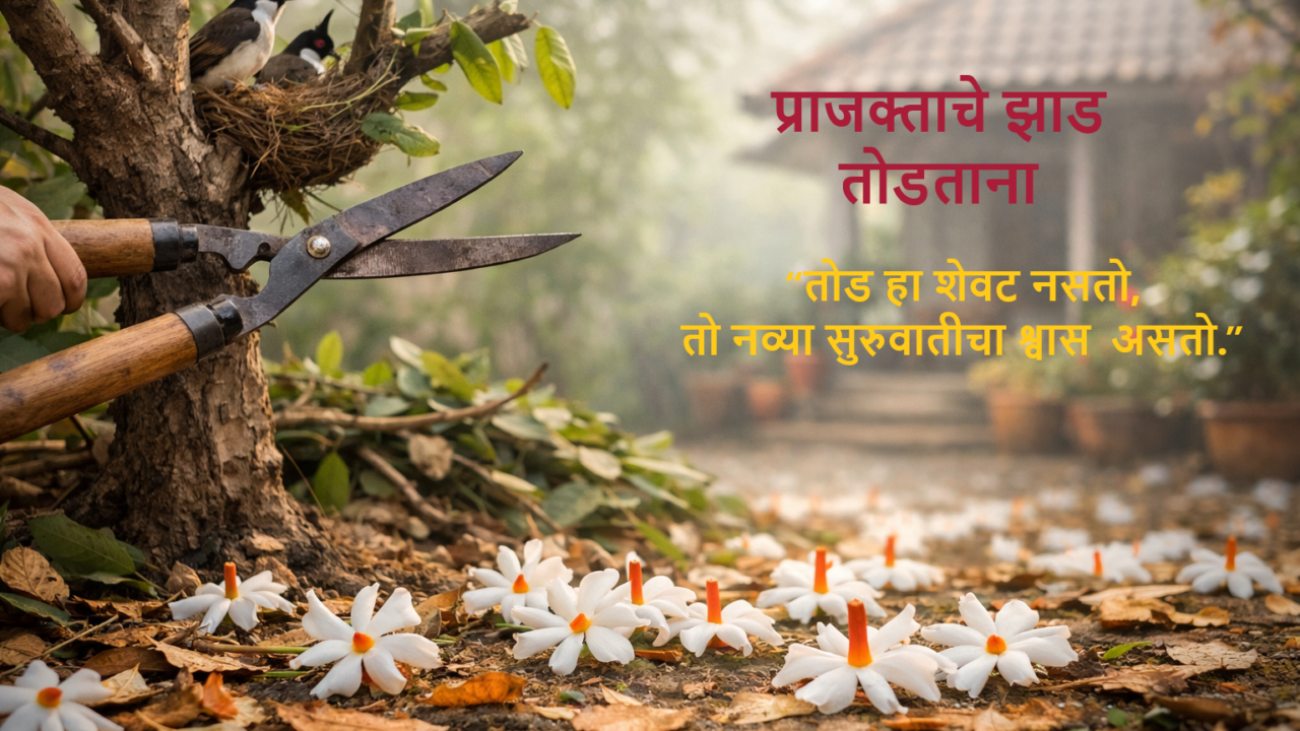
कधी नव्हे ते यावर्षी कडक हिवाळा सुरू झाला आणि त्याबरोबरच पावसाळा संपल्यावर नोव्हेंबरच्या अखेरपासून बरीचशी पानगळ सुरू झाली. माझ्या घरात चार वर्षांपासून लावलेल्या प्राजक्ताच्या झाडाची पाने अगणित भराभरा पडू लागली आणि खूप कचरा दिसू लागला. खरंतर प्राजक्त मीच हौसेने लावला. मला खूप आवडतो कारण त्याचा मंद वास आणि रंग वेगळीच निसर्गाची किमया! दुधीरंग धड पांढरा पण नाही नाजूक वेगळ्या आकाराच्या पाकळ्या आणि देठ नारंगी रंगाचे. असे म्हणतात की प्राजक्ताने सूर्यावर प्रेम केले आणि त्यामुळे सूर्योदयानंतर सगळी फुले झाडावरून खाली पडतात, अनुरक्त होऊन अशी त्यामागे वेगळीच कवी कल्पना. याशिवाय कृष्णाने सांगितले झाडामध्ये प्राजक्तात मी आहे, हा एक वेगळा संदर्भ. सुरुवातीच्या काही दिवसात झाड वाढले तरी फुले येईनात. पहिलं फुल जेव्हा आलं तेव्हा मी अक्षरश: वेडी झाले होते. त्यानंतर पावसाळ्यात मात्र पडून सगळी फुलं निर्माल्य होत होती. या झाडामुळे पक्षी खूप यायला लागले. बुलबुलने तर घरटं बांधलं, दोन पिल्लांना जन्म दिला आणि ह्याच झाडावर राहून त्यांना सक्षम केलं. खूप कचरा व्हायला लागल्यानंतर आमच्या माळ्याने “फांद्या तोडा, पुन्हा लगेच येतात, बहर ओसरलाय!” असं सांगितलं आणि त्यांनी फांद्या तोडल्याच. सर्व आकाश खुलं झालं त्याबरोबर मनात काहूर माजलं. या एका झाडाने सर्वांनाच किती ऊब आणि सुरक्षितता दिली होती; माझ्यापासून ते प्राणी पक्ष्यांपर्यंत.
पारिजातकाचे आयुर्वेदात तर खूप उपयोग आहेत. अगदी मुळापासून फुलांपर्यंत. धार्मिक, वास्तुशास्त्रीय आणि औषधी असे तिहेरी उपयोग सांगितले आहेत. याचे खोड ताप, खोकला आणि सांधेदुखी यावर वापरतात. मूळ त्वचेच्या विकारांवर उगाळून लावतात. पाने फुले वेदनाशामक आणि दाह विरोधी आहेत. हे झाड लावल्याने सकारात्मक ऊर्जा घरात येते.
धार्मिकदृष्ट्या याला कल्पवृक्ष मानले आहे. यामुळे वास्तुदोष दूर होतात. परत पाने फुले येण्यासाठी खरंतर फांद्या तोडल्या; पण जणू काही मलाच काहीतरी होत असल्यासारखी अस्वस्थता आली. पण म्हणतात ना समृद्धी मिळवण्यासाठी काही वर्षे मातीत घालवावी लागतात, त्याप्रमाणेच पुढचा बहर चांगला येण्यासाठी प्राजक्ताच्या फांद्या मला तोडाव्या लागल्या. उम्मीद पे दुनिया कायम है. प्राजक्ताच्या निमित्ताने एका झाडाच्या आणि त्याबरोबरच निसर्गाने मानवाला दिलेला फायदा परत एकदा उजळणी करून झाला.
निसर्ग आपल्याला खूप काही देतो, त्यापैकीच एक म्हणजे औषधी वनस्पती. अनेक वनस्पतींच्या विविध भागात औषधी गुणधर्म असतात. त्यांचाच उपयोग करुन आम्ही आयुर्ब्रीझ बोटानिकल्सच्या माध्यमातून आयुर्वेदाच्या खजिन्यातून अनेक परिणामकारक औषधे तयार केली आहेत. हिवाळ्यात वर्षभराच्या शक्तीचा संचय करण्यासाठी – च्यवनप्राश – सर्दी, ताप, खोकला यासाठी – अवनी अडुळसा कफ सिरप – तळहात, तळपाय येथील भेगा, त्वचा कोरडी पडून खाज येणे यासाठी – पाददारी मलम – अशी अनेक दर्जेदार उत्पादने आपण सर्व वापरत आहातच. आपल्या सर्वांचे सहकार्याबद्दल धन्यवाद!!!
Many of our readers may be surprised by the title of this blog. You might ask — why would a company dedicated to Ayurvedic wellness share a story about birds?
The answer is simple: Ayurveda is not just a system of medicine — it’s a way of living in harmony with nature. As we return to our roots, we begin to recognize that wellness comes not just from herbs and remedies, but also from the experiences and lessons nature so generously offers.
Today, we’d like to share one such lesson — a simple but beautiful story that unfolded right at home while we were away.
While We Were Away…
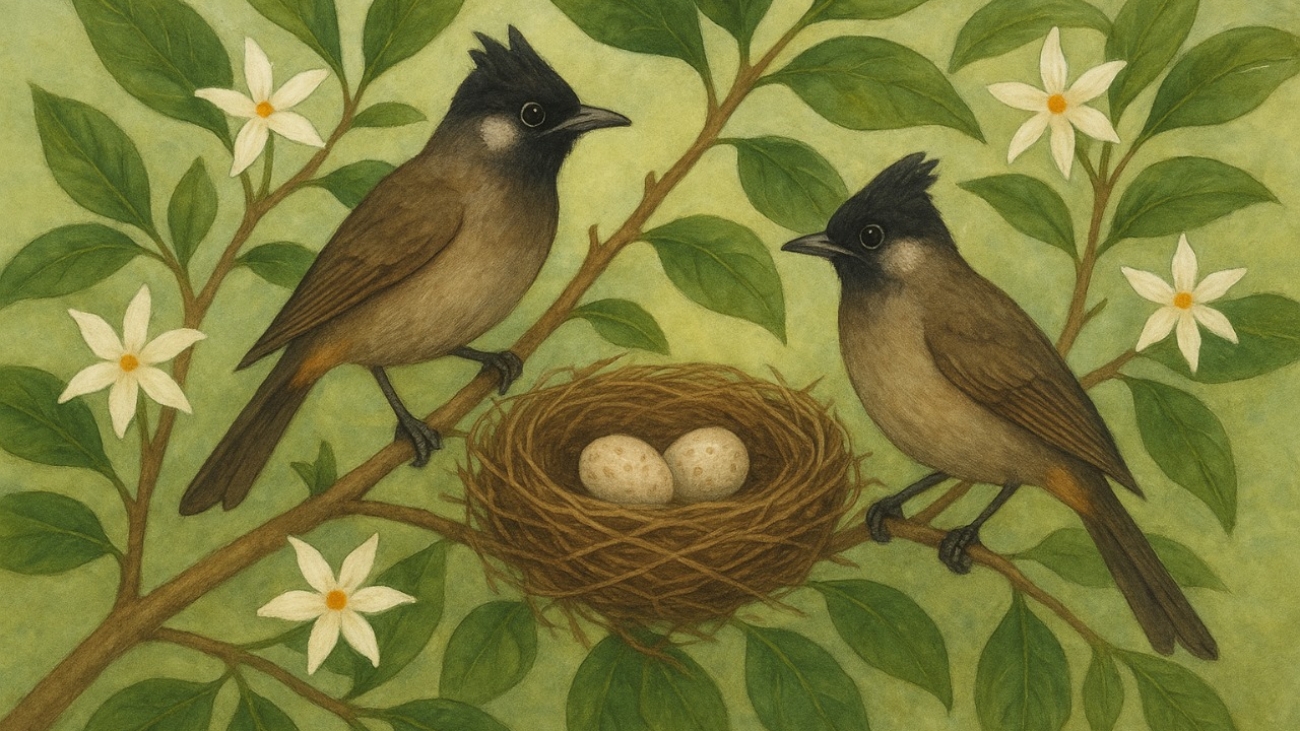
While we travelled across Canada and the USA on a 25-day journey, our Parijat tree back home welcomed new guests — a pair of bulbuls.
Quiet and graceful, they built a nest on its fragrant branches — a delicate cradle of twigs and love. In this humble sanctuary, they laid two tiny, pale eggs.
When we returned, we found them keeping watch, their presence still and reverent, as if the tree itself had fallen into silent meditation. Then, one soft morning, that silence broke: two tiny hatchlings had emerged. Featherless, eyes closed, and whisper-quiet — yet full of life.
The tree transformed into a theatre of urgency and devotion. The parents flew in and out, feeding their young tirelessly. The leaves trembled with every fluttering wing, and each day brought visible growth.
And then, just over a week later, the little ones tested their wings. They stumbled, they perched, they tried. And finally — they flew.
That night, the nest stood empty. The tree was quieter. But our hearts were full.
A Natural Reflection of Ayurveda
This beautiful moment brought to life one of the core beliefs of Ayurveda: Every mother and child deserves nurturing in tune with nature.
Ayurveda emphasizes care that is preventive, balanced, and life-affirming. Just as the bulbuls instinctively tended to their young, so too should we adopt gentle, intuitive practices in maternal and new-born care — practices rooted in centuries of natural wisdom.
Our Commitment at Ayurbreeze Botanicals
At Ayurbreeze Botanicals, we are committed to providing natural, herbal, and non-chemical Ayurvedic formulations that support both mother and child.
Here are some of our trusted offerings:
🌿 Shatavari Kalp – Supports hormonal balance and enhances postnatal recovery. 🌿 Urja Kalp – Revitalizes energy and strengthens the body post-childbirth. 🌿 Avani Abhyanga Taila – A gentle, nourishing massage oil for both mother and baby.
For your new-borns, a regular Abhyanga (Ayurvedic massage) with Avani Abhyanga Taila helps promote growth, calm the nervous system, and strengthen the bond between parent and child.
In Closing
Nature always has something to teach us — whether through herbs or through the flutter of small wings. Let’s take a moment to pause, reconnect, and care for ourselves and our loved ones in ways that are natural, mindful, and true.
Here’s to health, harmony, and holistic living.
With warmth, Anuja Kulkarni Director, Ayurbreeze Botanicals OPC Pvt. Ltd.
येत्या १० जूनला वटपौर्णिमा येत आहे. नेहमीप्रमाणे हिंदू सणाला नावं ठेवणारे, हे कसले थोतांड! असं म्हणतीलच. कोण सत्यवान ? कोण सावित्री ? असेही प्रश्न उपस्थित करतील.
यातून एक मात्र होते की याच हिंदू सणांमुळे पर्यावरण सांभाळले पाहिजे हा संदेश मात्र नक्की मिळतो आणि तेच आपण विसरलोय. सत्यवान, सावित्री हेच फक्त लक्षात राहतात पण, जे झाड सावित्रीने निवडले तो वडच का? दुसऱ्या हजारो झाडांच्या जाती असताना, वटवृक्षाची निवड का? हा विचार मनात यायला हवा.
वटवृक्षाच्या प्रत्येक घटकांचा औषधी उपयोग आहे. अगदी पूर्ण वृक्षाचा विचार करा, त्याचा बुंधा आणि फांद्या इतक्या विशाल आहेत की त्या इतक्या कडक उन्हात पूर्ण सावली आणि मुसळधार पावसात भिजण्यापासून संरक्षण करतात. मुळात वनस्पतीतील उत्क्रांती वडाचा झाडाच्या ठिकाणी पूर्ण झाली असे म्हणतात.
वडाचे झाड हे आयुर्वेदिक शास्त्रांमध्ये फार महत्त्वाचे मानतातच. झाडातील नवांकुरा चा रस अथवा छोट्या फळांचा रस नाकात टाकल्यास वीर्य वाढणे अथवा Sperm Count सुधारण्यासाठी फारच प्रभावशाली असतो.
वडाच्या पारंब्याच्या तेलाने तर स्त्रियांचे केस वाढतात, तजेलदार होतातच शिवाय कोंडा, चाई होणे या गोष्टींना आळा बसतो. स्त्रियांनी तर वडाच्या झाडाला जरूर प्रदक्षिणा घालाव्यात कारण त्याचा हार्मोनल इम्बॅलन्स सुधारण्यासाठी उपयोग होतो. म्हणजे वडाचे झाड हे ऑक्सिजन खूप प्रमाणात बाहेर टाकते, त्यामुळे शरीरातील ग्रंथी योग्य प्रमाणात हार्मोन्स रक्तात रिलीज करतात.
वडाच्या झाडाची साल दंतमंजनात वापरली जाते कारण ती उत्तम अँटीबॅक्टरियल आहेच शिवाय हिरड्या मजबूत करण्यासाठी उपयोग होतो. खरंतर वडाचे झाड पूर्वी लावावे लागत नसे, ते कोठेही बांधावर येते, असे सहज येणारे झाड आहे आणि ते इतके वाढते की येणाऱ्या जाणाऱ्याला असे वाटते की वडाचे झाड आपल्याला जणू आश्वस्त करते की “घाबरू नका मी आहे”
या वटपौर्णिमेच्या पार्श्वभूमीवर आयुरब्रिज बोटॅनिकल्स सर्व विशाल वटवृक्षांना नमस्कार करून आपणास विनंती करू इच्छिते की अवनी ब्रँडची उत्पादने जसे की अवनी माका तेल आणि पेनोसील मलम नक्की वापरून पहा.
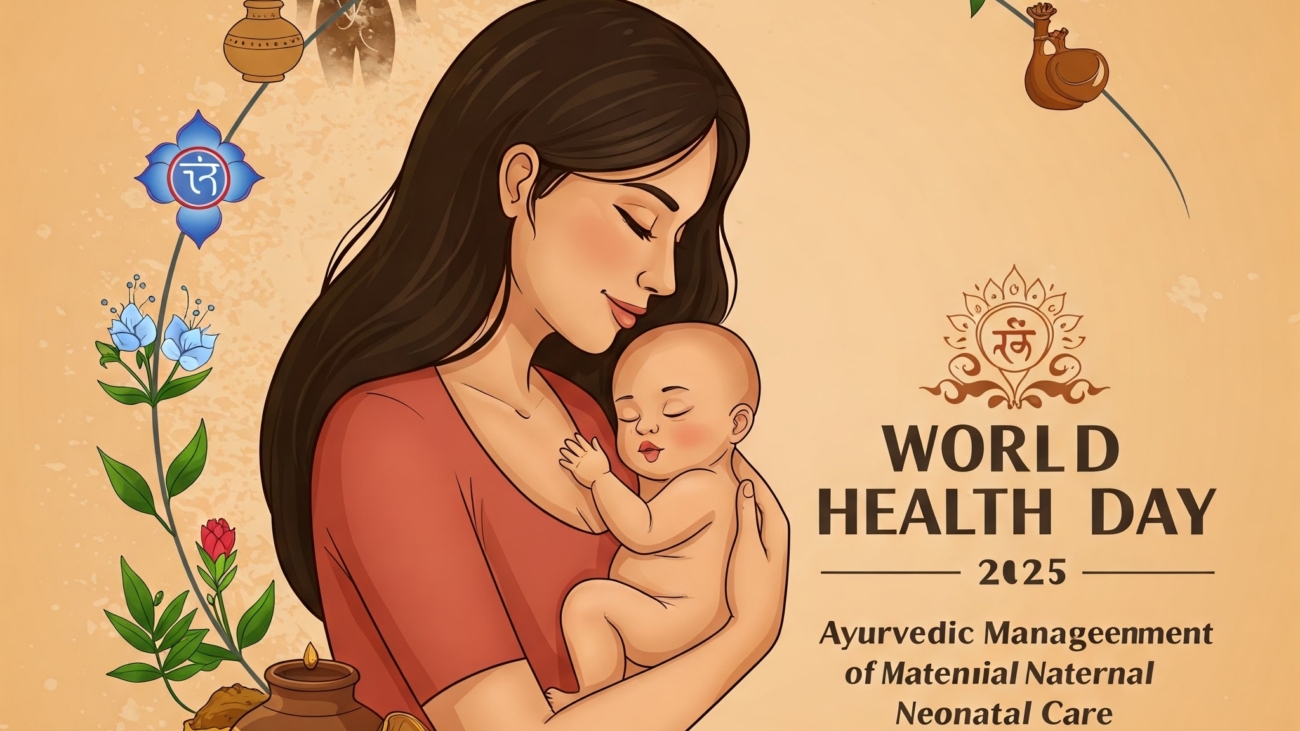
Maternal and neonatal health has always been a cornerstone of societal well-being, and Ayurveda, India’s ancient science of life, offers profound insights into safeguarding and enhancing the health of both mothers and their new-borns. On World Health Day 2025, let us reflect on how Ayurvedic practices and philosophies can contribute to a healthier and more hopeful future for generations to come.
Maternal Care: Ayurveda’s Gentle Touch
Ayurveda emphasizes balance and holistic care during pregnancy to ensure both physical and emotional well-being. Key practices include:
Garbhini Paricharya (Prenatal Care): Ayurveda prescribes a balanced diet enriched with herbs like Shatavari (Asparagus racemosus) and Ashwagandha to support vitality, immunity, and hormonal balance during pregnancy. Regular consumption of warm milk with ghee and saffron is recommended to nourish the mother and promote fetal development.
Abhyanga (Oil Massage): Gentle massages with medicated oils like Bala Taila not only relax the mother but also improve blood circulation and reduce stress.
Yoga and Meditation: Practices such as prenatal yoga and mindfulness meditation help the mother remain calm, reducing anxiety and enhancing emotional resilience during pregnancy.
Postpartum Care: The critical “Sutika Paricharya” period after childbirth includes dietary adjustments and herbal therapies to restore the mother’s energy and promote healing.
Neonatal Care: Ayurvedic Guidance for the First 1000 Days
The initial days of life are crucial for a child’s growth and development. Ayurveda advocates nurturing new-borns through these approaches:
Swarna Prashana (Immunization Therapy): A blend of gold, honey, and ghee is given to infants to boost immunity and cognitive function.
Daily Abhyanga: Massages with mild herbal oils like coconut or sesame oil improve muscle tone, encourage relaxation, and strengthen bones.
Breastfeeding: Ayurveda underscores the importance of mother’s milk as “nectar,” containing vital nutrients and antibodies for the new-born’s health.
Herbal Remedies: In case of common neonatal ailments, gentle herbal solutions such as fennel water for colic or neem for skin rashes are advocated.
The Ayurvedic Ethos for a Hopeful Future
Ayurveda teaches us that every mother and child deserves care that is in harmony with nature, emphasizing prevention, balance, and vitality. By embracing these principles, society can move towards healthier beginnings and brighter futures.
On this World Health Day, let us pledge to integrate Ayurvedic wisdom into maternal and neonatal health practices, fostering a legacy of wellness for generations to come.
What Ayurbreeze Botanicals has to offer?
We, at Ayurbreeze Botanicals are committed to make available natural, herbal, non-chemical and pure herbal remedies. For mothers to be or after childbirth, our products like – Shatavari Kalp, Urja Kalp and Avani Abhyanga taila are very useful. They will vitalize the health of mother and baby alike. For, new-borns, gentle massage with Avani Abhyanga Taila will be perfect. It will help in stabilizing and promoting growth of a baby.
Every year Rathasaptami is celebrated on Magh Shuddha Saptami (according to Marathi month calendar). This day is also called as “Achala Saptami”. Actually, all Indians celebrate this day as “Arogya Diwas”.
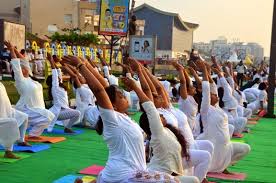
According to Hindu culture, people primarily consider this day is auspicious for ‘Worship of Sun’ (Suryopasana). From this day, our whole body enhances / stimulates intrinsic energy from inside. The purpose of worshiping Sun is simple and clear. Sun is the best source of energy, it provides oxygen. It creates comfortable environment for us. Its rays have capacity to kill many microorganisms and bacteria. It’s helpful to prepare a food in the plants.
From this day people in India or we can say Hindu people start or reinforce the habit to exercise of “Sun Salutation”. A big and perfect exercise from Patnjali Yoga sutra. Sun Salutation is a divine mix of energy, rhythm and form. Practice of “Sun Salutation” is observed in a rhythmic manner with special attention to breathing. The various poses of “Sun Salutation” proves beneficial for strengthening to different muscle and tendons which eventually helps their toning.
“Sun Salutation” improves blood circulation and heartrate. It promotes better oxygenation and overall respiratory wellness. It improves digestion, reduces constipation.
It is a great way to reduce weight. This wonderful exercise reduces stress, anxiety level and improve focus, concentration and mental clarity. It helps in improving skin complexion and hair quality.
“Sun Salutation” is a stimulant for immune system, it helps to regulate the menstrual cycle and hormonal balance in women. “Sun Salutation” should be seen as the health promoter, energy booster and the essence of healthy lifestyle and longevity.
So, on this auspicious day of Rathasaptami let’s pledge ourselves for uninterrupted practice of “Sun Salutation”. Ayurveda believes in “Sun power”. From ancient times and today also many Ayurveda practitioners prepare medicines using the heat and energy of sun rays. They prepare medicines under sunrays, so that, it automatically becomes free from microbes and bacteria. These medicines are also full of energy.
Ayurbreeze Botanicals extends warm wishes on “Rathasaptami” and urge everyone to practice “Sun Salutation”. All our products are very effective to maintain better lifestyle. They are prepared with natural and herbal ingredients.
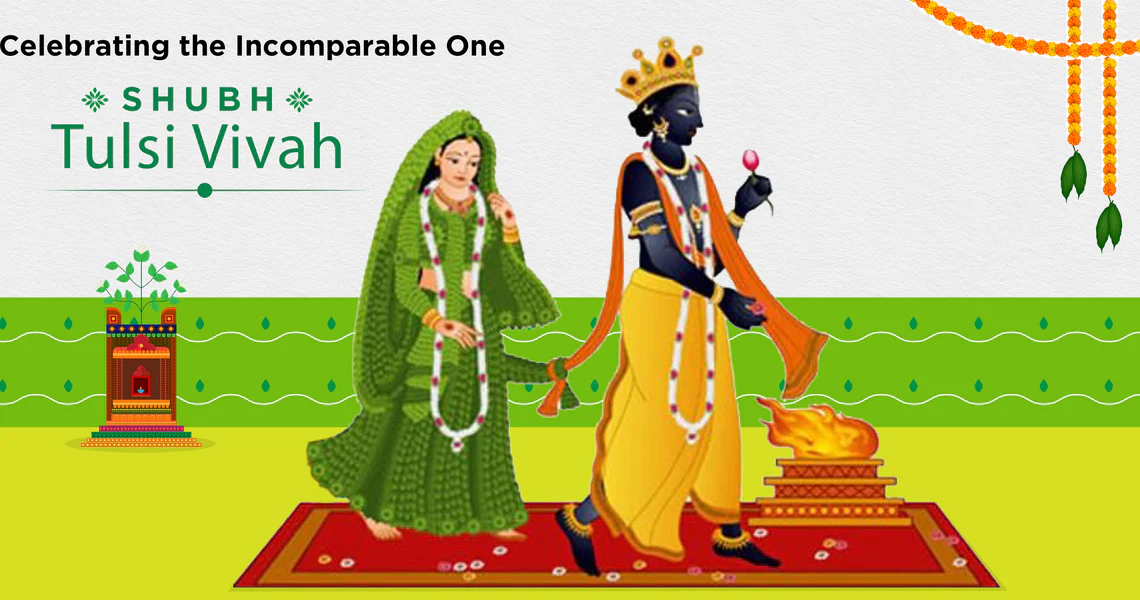
Please accept lots of wishes on the special occasion of Tulasi Vivah from Ayurbreeze Botanicals!!!
In the kaleidoscope of Indian festivals, Tulasi Vivah holds a unique and revered place. This ceremonial marriage of the holy basil plant, Tulasi (also known as Tulsi), to Lord Vishnu or Krishna, marks the beginning of the wedding season in Hindu culture. Celebrated on the Ekadashi of the Hindu month of Kartik (usually in October or November), Tulasi Vivah symbolizes the divine union of nature and spirituality, offering devotees a chance to express their reverence towards both.
Cultural Significance
1. Divine Union: The marriage represents the sacred connection between the earthly plant and the divine spirit. Tulasi is believed to be an incarnation of Goddess Lakshmi, consort of Vishnu. This union is seen as an auspicious time to commence human weddings.
2. Symbol of Devotion: Participating in Tulasi Vivah is considered highly meritorious. It is believed to bless the household with prosperity, happiness, and health.
3. Rituals and Traditions: The ceremony involves elaborate rituals akin to a traditional Hindu wedding, including the setting up of a mandap (wedding canopy), singing of hymns, and performing aarti (ceremonial worship with fire).
Tulasi in Medicine
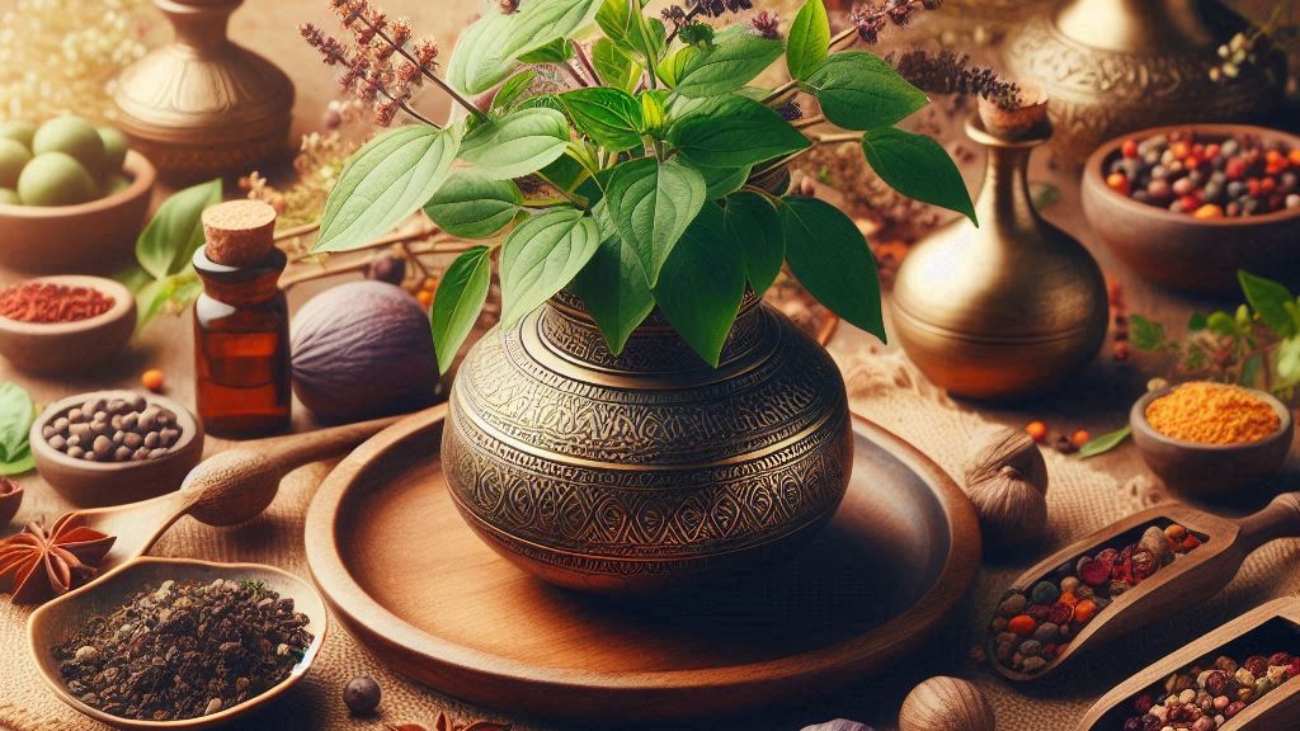
Tulasi, or holy basil, is not just a spiritual symbol but also a cornerstone of Ayurvedic medicine. Here are some of the remarkable uses of Tulasi in traditional and modern medicine:
1. Immunity Booster: Tulasi leaves are known for their potent immunomodulatory properties. They help enhance the body’s ability to fight infections.
2. Adaptogen: This plant is an excellent adaptogen, meaning it helps the body adapt to stress and restore balance. It is often used to alleviate anxiety and promote mental clarity.
3. Respiratory Health: Tulasi is a common remedy for respiratory disorders like asthma, bronchitis, and cough. Its anti-inflammatory properties make it effective in soothing respiratory pathways.
4. Antioxidant: The leaves are rich in antioxidants, which help combat oxidative stress and prevent cellular damage.
5. Digestive Aid: Tulasi can be used to treat digestive issues such as indigestion and bloating. Its digestive enzymes aid in better breakdown and assimilation of food.
6. Anti-inflammatory and Antimicrobial: Tulasi’s anti-inflammatory and antimicrobial properties make it useful in treating a variety of infections and inflammations.
So, Tulasi Vivah is more than a festival; it is a beautiful amalgamation of faith, tradition, and nature. Beyond the religious connotations, Tulasi’s medicinal uses highlight its integral role in promoting health and wellness, reaffirming its sacred status in Indian households.
Embrace this divine celebration and discover the multifaceted benefits of the holy basil that continues to be a cornerstone of both spiritual and physical well-being in Indian culture.
Ayurbreeze botanicals makes available pure, authentic, chemical free and effective medicines for the whole family. Our products namely – Avani Cough Syrup, Avani Urja Kalp, Avani Abhyang Tel and Penosil Ointment, contain Tulasi as a main ingredient. Avani cough syrup is a great remedy for all types of coughs, respiratory illnesses and fever. Avani Urja Kalp is an excellent tonic for all age groups. Avani Abhyang Tel is the perfect external application to improve skin tone, colour and texture. It also helps to reduce dryness in the skin which is a common complaint in coming winter months. Penosil ointment is an effective pain reliever when applied to affected joints.
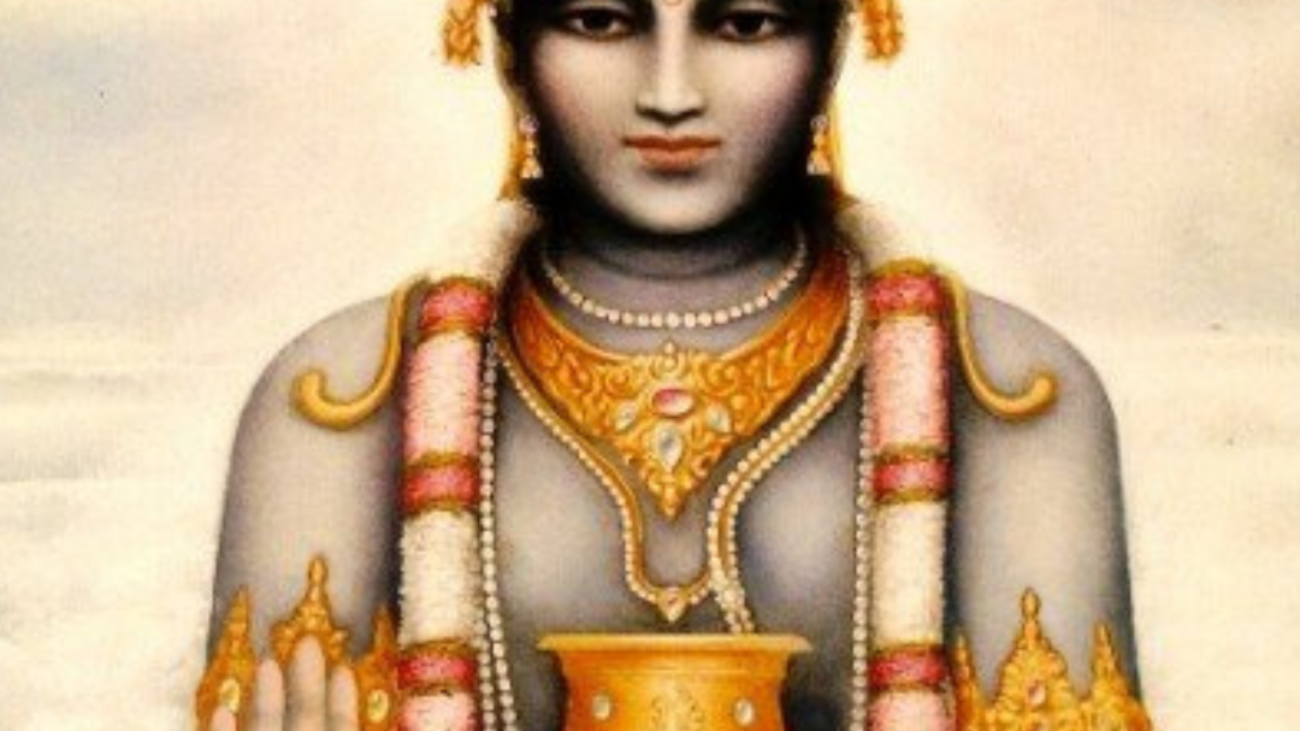
This is the theme for year 2024 on the occasion of National Ayurveda Day. It will be celebrated on 29th October on the auspicious occasion of Dhanvantari Jayanti (Dhanteras). This day is celebrated every year as Ayurveda Day because this is the birthday of Lord Dhanvantari, the god of Ayurveda.
On this occasion Ministry of Ayush itself launched several digital platforms including Ayurgyan Scheme, Ayush Research portal, Namaste Portal and others.
This theme resembles that in ayurvedic healthcare system there should be more innovation and research, so in future it can withstand scientific scrutiny and application. Now a day’s so many standardisation criteria are used to prove the medical value of Ayurvedic Medicines. This traditional system of medicines which is very ancient in our country believes in maintaining a healthy lifestyle rather than aggressive consumption of medicines. It is very helpful to maintain minimum side effects of Ayurvedic Medicines. Ayurveda is originated from and has deep relationship with the nature with theories like, Panchmahabhutas and Tridoshas.
Panchmahabhutas consist of Pruthvi (earth), Aap (water), Tej (light), Vayu (wind), and Akash (ether).
Tridoshas means Vat, Pitta and Kapha. Ayurveda states that the balanced Panchmahabhutas and Tridoshas provide health, while their imbalance results in disease formation.
If Ayurveda goes hand in hand with Modern Science, then definitely will spread globally soon. Already many countries like UK, UAE and New Zealand has adopted this ancient Indian health system i.e. Ayurveda.
With this note, Ayurbreeze Botanicals wishes you and your Family a very Happy National Ayurveda day on occasion of Dhanvantari Jayanti. We also pray to Lord Dhanvantari to bestow health, prosperity and wealth to all our esteemed customers, followers and every human being…
Ayurbreeze Botanicals products are there to help in maintaining quality healthy life for everyone. HAPPY DIWALI! HAPPY DIWALI!! HAPPY DIWALI!!!
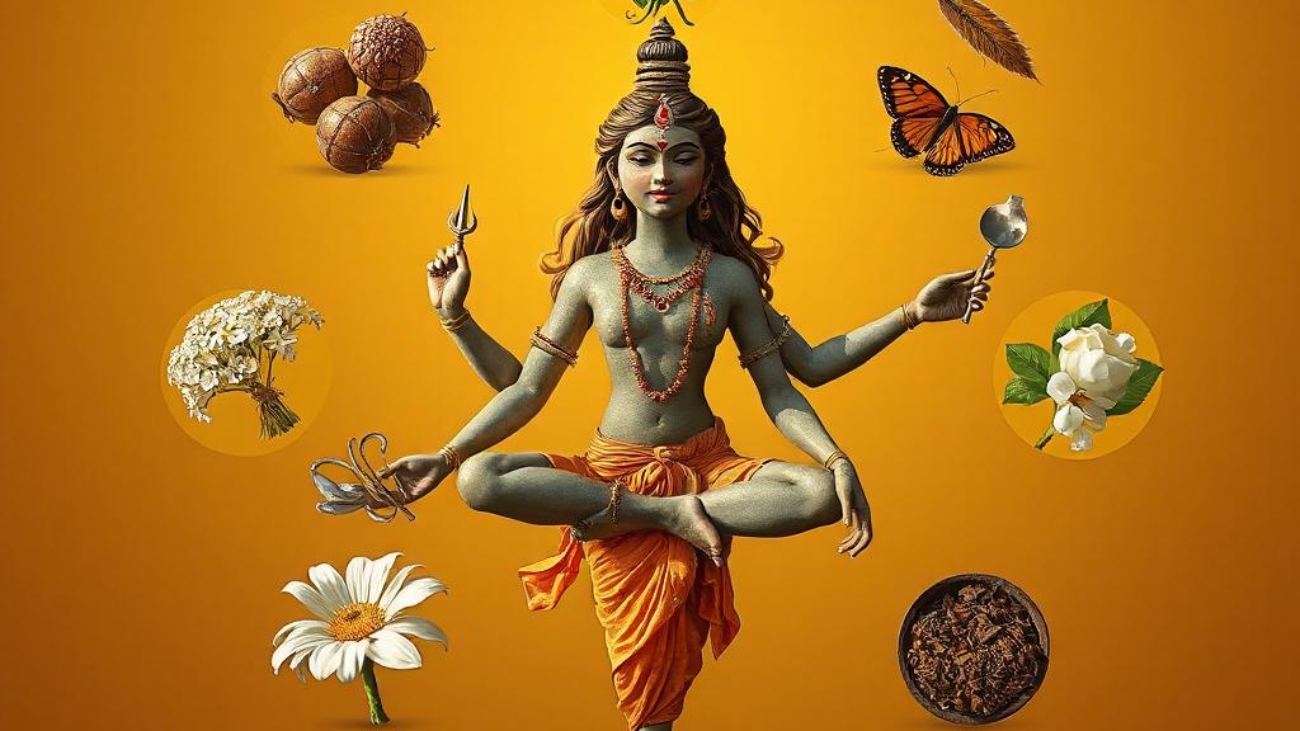
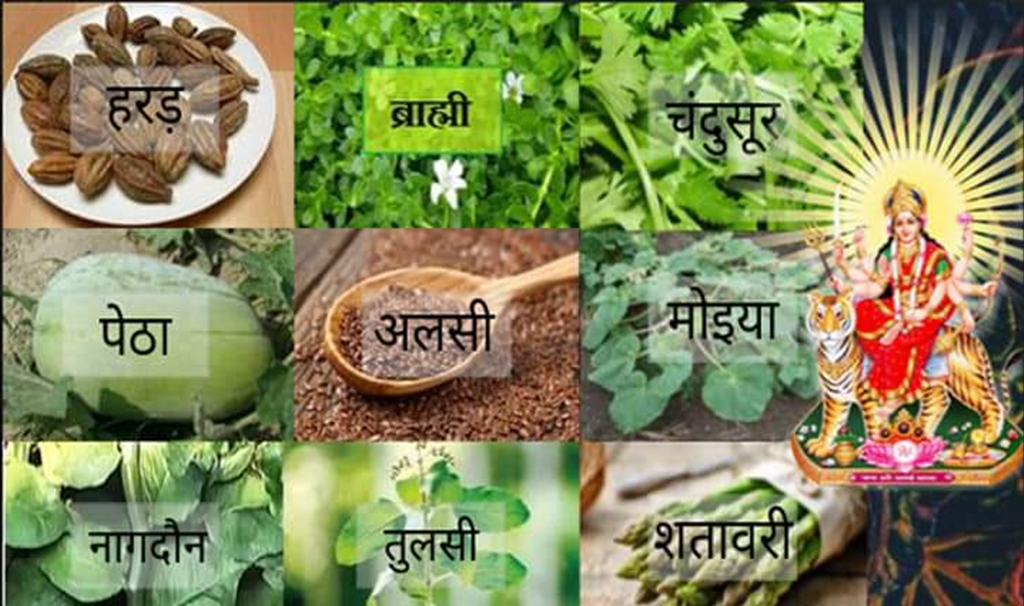
Navratri begins on the day of Ghatsthapana. The festival of Navratri is a symbol of woman power. We are celebrating it. The festival is celebrated differently in different parts of India. Someone puts a pot and worships it. The nine garlands symbolize the nine forms of the Goddess and the nine days. In some places, garba is played in front of the goddess, fasting is done, in some places large idols are installed, conch shells are blown. But in ancient times, even the nine forms of this goddess had some meaning, these forms were not created by chance. In the interim, due to many attacks on India, the important subject of it was left behind, only Devi worship, celebration became important. The Goddess is worshipped with nine different identities which symbolizes different powers and importance. 1. Shailputri 2. Brahmacharini 3. Chandraghanta 4. Kushmanda 5. Skandamata 6. Katyani 7. Kalaratri 8. Mahagauri 9. Siddhidatri. Theses forms of Goddess are completely associated with nine medicines. These nine medicines (which are used in every medicine preferably in Ayurveda) have a very important place in the health of women. Women’s health is very important in Indian culture and Ayurveda too. The woman is the primordial deity and the creation was born from her. As a symbol of this, during Navratri, a ghat (womb of women is considered as ghat) is installed and grains are sown below; it is new in this season. Ankur means the symbol of anticipatory creativity, the ability to create others like you, which is natural to a woman. Therefore, her nutrition should be good for health; that is why herbal medicines are important in our daily life in Ayurveda i.e. our traditional medicine system. Navratri is celebrated in the form of nine avatars of Goddess Durga.
The first form of Goddess Durga is Shailputri and the herb associated is Haritaki. It is one of the most beneficial herbs in Ayurveda. Haritaki improves the digestive system and is an excellent liver tonic.
The second form of Goddess Brahmacharini and it is situated in herb Brahmi. Brahmi is an excellent memory tonic. Brahmi is also used to improve memory or memory health, as well as to maintain good voice. She is also known as Saraswati.
The third form of Goddess Durga is Chandraghanta which is related to herb Chandrashur. It reduces weight and keeps the body fit which is a favorite among the youth of today.
The fourth form, Kushmanda is seated in Kushmanda, Petha or Kohala. Not only is Kohala a blood purifier, but it also has a good effect on mental weakness.
The fifth form, Skandamata, appears seated in the herb Jawas. Jawas is not only useful in heart diseases but also works well on three doshas.
The sixth form, Katyayani, is connected with herb Mahua / Moiya. It works best on three doshas.
The seventh form is Kalaratri which is seen seated in the herb Nagdaun / Nagdaman / Nagdavana, which works on headache and all disorders of the head.
The eighth form is Mahagauri, who appears seated in the herb Tulsi. Holy Basil is also good for heart health and boosts immunity.
The ninth form is Siddhidatri, who appears seated in the herb Shatavari (asparagus). It is considered very important in Ayurveda. It imparts strength to women and considered very useful in mental health and orientation.
On the occasion of Navaratri, it is again worth mentioning that all the festivals of Indian culture are associated with nature, daily routine and herbal medicines. Ayurbreeze Botanicals makes ayurvedic products naturally using these herbs. No chemicals are used. It helps in maintaining a healthy lifestyle for women and also helps in keeping the entire family healthy from the youngest to the oldest.
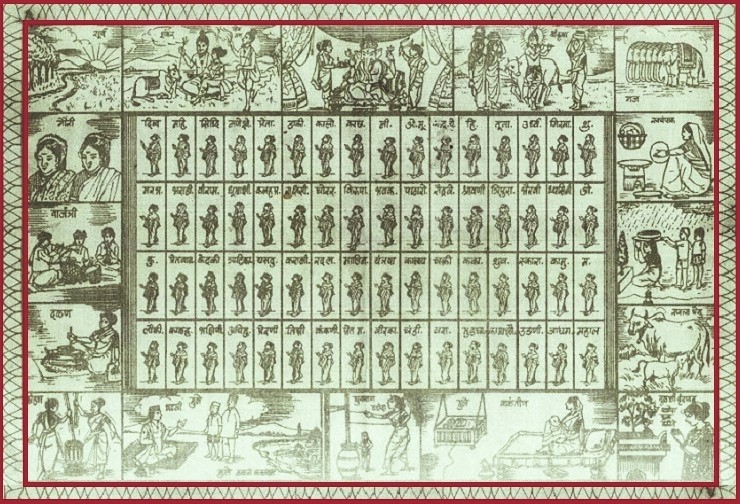
Our Mother’s Day is on upcoming Monday according to Hindu Sanskriti. Pithori Amavasya tithi is called Matrudin. This is Shravan Amavasya (new moon), which every mother in Hindu Sanskriti prays for her children, to become healthy and strong. She is praying to Choushashtha Yogini Devi means Matru Shakti for continuation of progeny and having a child with good health and strong immunity.
Every Hindu ritual, tradition and festival has its own meaning and essentially relates to the health of the people. Shravan month is the month of festival worships and related to praying to God, Goddess and all. Shravana Amavasya (new moon) is also called as Pithori Amavasya and on this day worshiping Choushashtha Yogini is observed.
Why we worship Choushashtha Yogini? There is a mythological story behind this. Once upon a time, on this day one Brahmin women lost her child every year, so she prayed and offered penance for her died children to this Choushashtha Yogini goddess. These Yogini gave birth to all children again who were died.
This myth is related to the health issues of the children, infants who struggle to continue with life. Few of them died due to carelessness or less medicines, so these Choushashtha Yogini goddess offered them good food, medicines or other necessary things from nature, to the mother, so she can maintain a good health of her children and keep them alive.
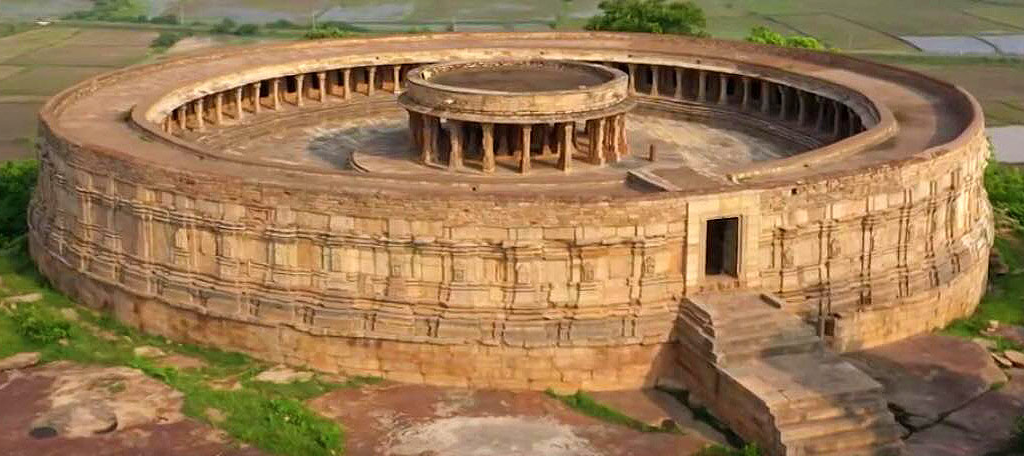
Another story of these Goddesses talks about a monster called as Rakthbeej. He created havoc with atrocities and harassment to the people. These Goddesses did fight a war with Rakthbeej and killed him. Yogini means strongest of women. So, people worship and conduct rituals to these Choushashtha yoginis on this day. There are 2 – 3 temples of Choushashtha Yogini in India. One is at Khajuraho (M.P.), one is at Hirapur (Orissa) and another at Morani (M.P.). Peculiarity of these temples is that these Goddesses Choushashtha Yogini sculptures arranged circularly in a single compartment. This Temple does not have roof it means there is a belief that women have inborn Infinite power to sustain the life.
This day teaches us that Women must take care of themselves. It indicates that in our culture, she is called as AAI, Shakti. She can give birth so the circle of these temples without roof is the indication of uterus of the woman and we worship them.
Upon the background of recent unfortunate incidences and disturbing news in our country, every Indian must respect a Woman. This day of Pooja of Choushashtha Yogini is the symbol of respect and acknowledgement towards the power of every woman. They must take care of themselves, must become healthy. She should take proper food, do exercise and maintain herself because she is a symbol of creation and propagation. We all have to follow the rules and regulations created by nature. We are created and nurtured by the nature. So, to seek blessings of these goddesses is important.
Ayurveda, Indian health science, follows the medicine prepared from natural herbs which are less hazardous and are free from side effects. This system is in close relation to the mother nature. Ayurbreeze Botanicals follows this Ayurveda and prepare natural, authentic Ayurvedic medicines from natural herbs. Our all products are useful to entire family members in some ways.
My sincere and best wishes all the girls and women on this auspicious day!!!
On one fine morning, my husband told me that there was a proposal to conduct a workshop in London. I was surprised at that time because I knew some Ayurveda practitioners in London but was unaware of their good practices and reputation. So, I was happily surprised when a group of ayurvedic practitioners in London invited my husband to conduct a workshop.
As my husband is good at planning tours according to their purpose, I was a bit relaxed. We began our planning approximately six months before our departure. 3 days were kept for the workshop, and we were going to plan a 5-day itinerary to visit London. All expenses are now calculated in pounds. There is a separate visa for the UK, which is not included in Schengen (Europe), but we got the visa easily. There were so many things to see and do in London. Actually, London was a priority on our bucket list, as we had a Europe trip in 2017 but could not visit London.
In our school days, we had a syllabus in history about the British and their 150 years of rule over our country. British people are fond of discipline. There is so much curiosity in our minds, like Shakespeare, Piccadilly Street, London Bridge, Buckingham Palace, Queen, their palace, prince, princess, and so on.
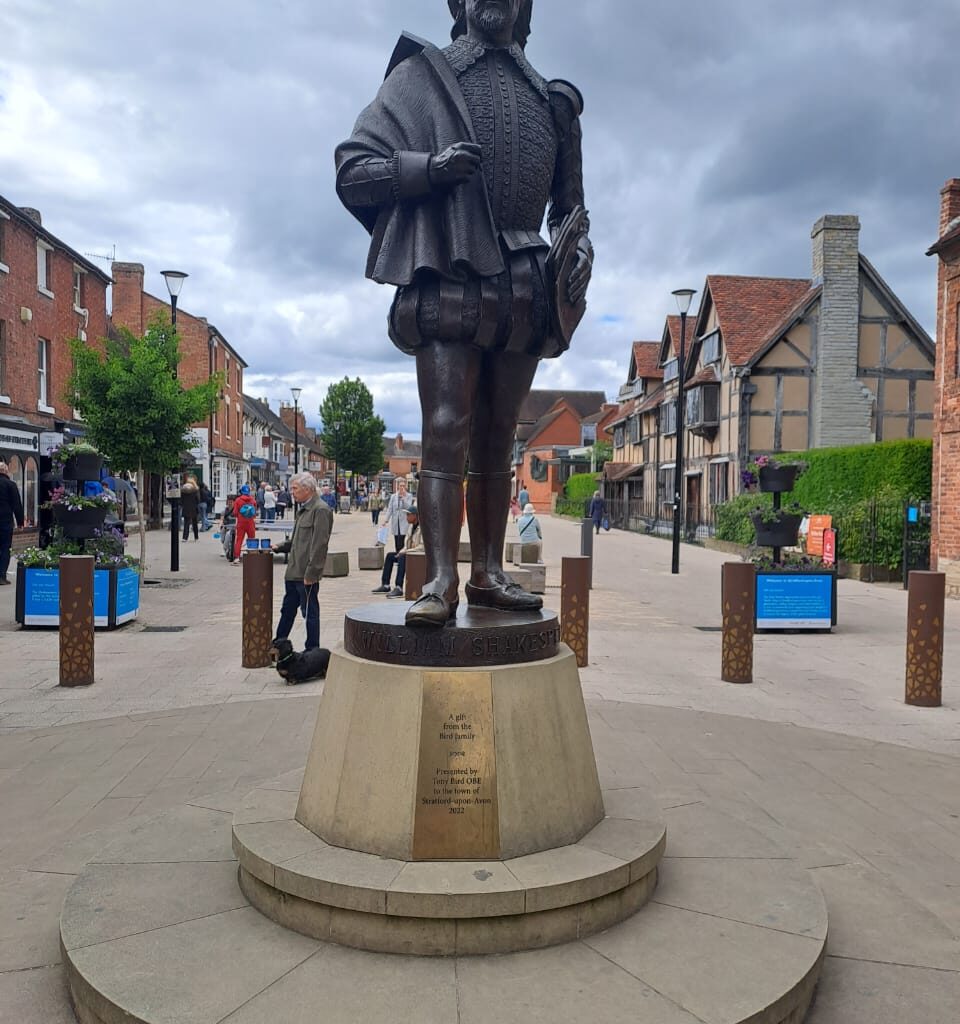
We arrived at Heathrow Airport, which was not very crowded at that time. We heard that this is one of the busiest airports in the world. For every 5 seconds, one airplane can take off or land. This airport is closed from 10 p.m. to 6 a.m. in the morning. The Royals can afford it and dictate it. In India, most of the airports are flooded with passengers at night. London has four international airports. We stayed in Reading, 40 km away from London, during our first half of the tour. The workshop was at Brunel University. Reading was near Stratford upon Avon (Shakespeare’s birthplace). We visited this place and were in awe to see how well maintained it is. Shakespeare was born at this place on April 23, 1564, some 458 years ago. So, it was fascinating to see his house, clothes, utensils, and so on. Stratford town is very awesome, containing a river, a typical square, and so many shops and coffee shops with chairs to sit in. Then we visited Windsor Castle, a royal castle. All royal members have stayed some or other time in this castle. The official church of the royals, St. Gorge’s Chapel, is a treat to watch. It is very beautiful from the inside. It was founded in 1475. It is a place of worship for the queen, king, and royal family. It has witnessed many royal marriages. It is the place of royal burials and funerals. We also saw the burial place of Queen Elizabeth II. Then we visited Warwick Castle, which was surrounded by so many trees, greenery, and always a river.
After completing the workshop, we shifted to central London by the most famous tube at Paddington station. All the transport systems in London are so easy and amazing. We easily commuted using the underground metro (in London it is called a tube), overground local trains, buses, and so on. Every area in central London is near one railway station and 4-5 bus stops. We faced no problem with transportation or understanding the use of the various train lines.
The next day, we had a tour of Wimbledon in the morning and Lords Cricket Ground in the afternoon. Wimbledon has 38 courts with royal arrangements. Lords is very near to our hearts due to our love for cricket. Due to British people, we Indians have developed a lot of love for the sport. There was 2 and half hour conducted tour to lords. One guide was allotted for 15-20 people to deliver the information. We saw the ground, the dressing room of cricketers, the visitors’ gallery, and the media gallery. There is a museum containing articles about famous World Cup players. India won the 1983 World Cup at Lords. We were so proud and glad for our cricketers, who were members of the cricket team, and Captain Kapil Dev. It was an amazing experience to visit the lords.
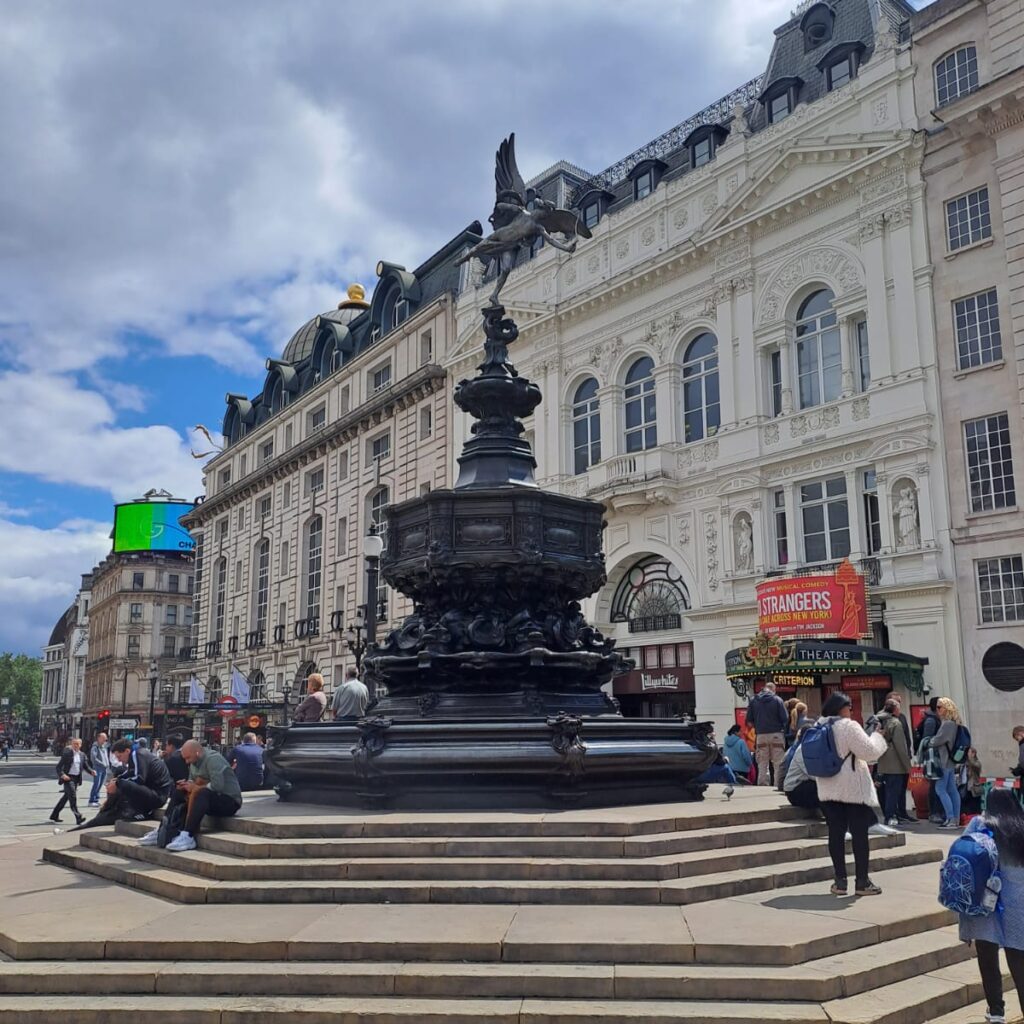
The next day, we started our tour on the hop-on, hop-off Red Line. We picked up this big bus from Piccadilly Circus. A huge circle containing big showrooms of famous brands. We strolled on the famous Regent and Oxford streets. I was glad and surprised by the way they promoted the products. Piccadilly Circus is the heart of central London, within a short walk of Trafalgar Square. This area is very crowded, but the people are disciplined. There was good cleanliness on the roads. It contains the Embassy’s, the National Arts Gallery Museum, monuments, and so on. We picked up the big bus from the ‘Mamamia’ theatre stop. There was a craze in our teens about this. Then we had an appointment at 3 o’clock for London Eye. London Eye is a giant wheel that provides us with a bird’s-eye view of London. The Thames River Cruise was an enchanting experience. The guide was making funny comments about the structures we can see on either bank of the river. From the big bus, we visited the huge structure of Westminster Abbey, Saint Paul Cathedral Church, and the Tower Bridge, which contains a museum. A Kohinoor diamond is kept in the jewel house of the Tower of London. We were slightly disappointed not to see it due to the time crunch.
We had a ride on the London Eye. A huge capsule structure roller-coaster from which the whole of London can be seen. Big Ben, London Bridge, and the and the Shakespeare Globe Theatre, where still the dramas are performed, are fantastic experiences. Then we had the Thames River Cruise, a guided tour, from where we were very near London Bridge. We also saw the opening of a bridge, through which a ship passed away—a very thrilling experience.
The next day, we had an appointment to visit the Madam Tussauds Museum. It was a very extravagant and fantastic experience. We saw many (मेणाचे पुतळे) wax statues of different celebrities from the whole world. There was a small taxi tour that presented us with a time-travel view of how London was built. Then two hours’ entertainment and all. Then the most famous Buckingham Palace and their Guard of Honour. In front of that, we visited ‘Hyde Park’, a 350-acre area containing fabulous lakes, thick greenery, and big trees. There are places for jogging, walking, playing cricket, drawing, painting, and relaxing in a chair. It is a very beautiful place. It was very close to our hotel. Then we visited the Victoria and Albert Museum, which is the world’s largest museum of applied arts, decorative arts, and design. It is where the legendary wagh nakh (tiger claws) of Chhatrapati Shivaji Maharaj are on display. Then we had a guided tour of Stonehenge Village; ancient rock structures are preserved in this place. In the evening, one of the Ayurvedic physician friends sponsored a treat of Indian food at the ‘Dhishoom’, a very famous pub with jazz music, a different experience. We had dinner at the English pub earlier, when we stayed in Reading. That was also an amazing experience.
On the last day of our tour, we visited the Natural History Museum and the Science Museum. They are huge, and we were clearly short on time. Now the time came to say buy buy to London, a very big and fabulous city in the world.
We were so glad that there are so many Ayurvedic clinics with yoga and Panchkarma therapy in and around London. These practitioners used our traditional and herbal medicines. They treat the patients with this therapy. British people took the treatment of Ayurvedic therapy in our workshop. There were 5–6 European and British practitioners. They are working in NHS (National Health Scheme hospitals run by the government), but they are still interested in learning Ayurvedic therapy and want to do that practice.
I feel British people are intelligent and disciplined. So, they ruled the whole world with such qualities. The ancient structures and monuments are preserved very well. We have to learn their discipline, etiquette, manners, and decency. Central London is so crowded, but there was no chaos, hustle, or bustle. Everything is running so smoothly and patiently.
Finally, I was surprised to travel from our hotel location to the T2 terminal in Heathrow by bus and train. What a convenient trip with savings in pounds!! We are grateful for the invitation and kind hospitality of London-based Ayurvedic practitioners. We express our gratitude to Ayurveda, Panchabhautik Chikitsa, and Ti. Appashastri Datar for providing us with this amazing chance.


 Cart is empty