

 Cart is empty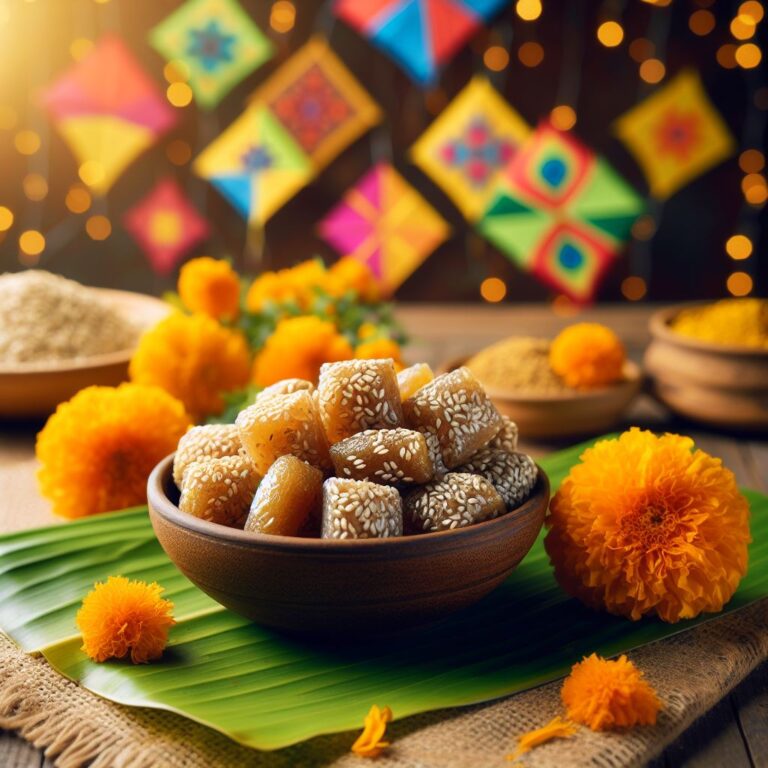
BHOGI, MAKAR SANKRANTI, TILGUL AND RATHASAPTAMI
New Year is here and has arrived with some festivals and celebrations. Our Indian traditions and festivals are not only for the celebration but they offer some advice and tips about our healthy life style.
Recently we all celebrated Sankranti and Bhogi. Bhogi was on 14th Jan and Sankranti was on 15th Jan. In Maharashtra Bhogi is celebrated with lots of unique delicious food recipes which are freshly harvested from farms. So, the tradition conveys nature’s massage about what to eat and enjoy healthy winter season.
Everyone loves to eat. Every person wants to eat food with different tastes and flavors. The winter season is very foody season. Different vegetables, fruits with different colors are available in abundance. The season is so cool that all people can easily digest the food. In winter season generally our gastric juice secretion is increased compared to other seasons like summer and rainy season. Also, the atmosphere is very dry, chilly so, most of the people want to do exercise yoga or other health related activities. So the people can consume calories easily from what they eat.
Bhogi is a festival to consume delectable cuisines and make yourself healthy. On this day in Maharashtra, mixed vegetables cuisine are prepared. In the farms fresh brinjals, harbhara (gram), green peas, Lima beans (पावटा), methi, bor or jujube, carrot so many colorful vegetables and fruits are grown up. We use these vegetables in our kitchen and make mix vegetable. In Marathi it is called lekurwali bhaji along with bajara roti (बाजरीची भाकरी) with sesame and butter. Bajara is a millet which has lots of energy along with carbohydrate, calcium, and iron trace elements. To provide heat to our body in this chilled winter season we eat bajara roti along with all this electrolyte required to our body. It helps to maintain body temperature to about 370 c, the outside temperature is as low as 150 to 200. The bajara bhakari is served along with sesame, It controls Cholesterol, is rich in Iron, Manganese, copper, and calcium. It has anticancer and antioxidant actions. It is recommended for improving tone and strength of the muscles of the body; makes our body moist and oily. It doesn’t crack and dry easily during the winter season. Carrot used in mixed veg contains vitamin A and so many fibers. This carrot is very important for wellness in ophthalmology. It keeps eye in a better condition and provide clear vision. It balances your sugar and helps in management and regulation of blood pressure, diabetes thus reducing incidence of heart diseases. It also improves immunity.
These all foods like sesame, bajara, carrot can be consumed until Rathasaptami. The day from which sun starts its uttarayan (north Movement of sun). From this day the day starts to increase in length and nights become short. All days from Rathasaptami are long up to 22nd June. On Rathasaptami winter season is over and summer season starts. Our rituals are always according to the present atmospheric or environmental conditions and food is taken according to that condition. From Rathasaptami some people starts for Suryanamskar as sun salutation. To worship sun and providing strength to the body, Suryanamskar is an all-round exercise.